Wildfire in the 21st Century
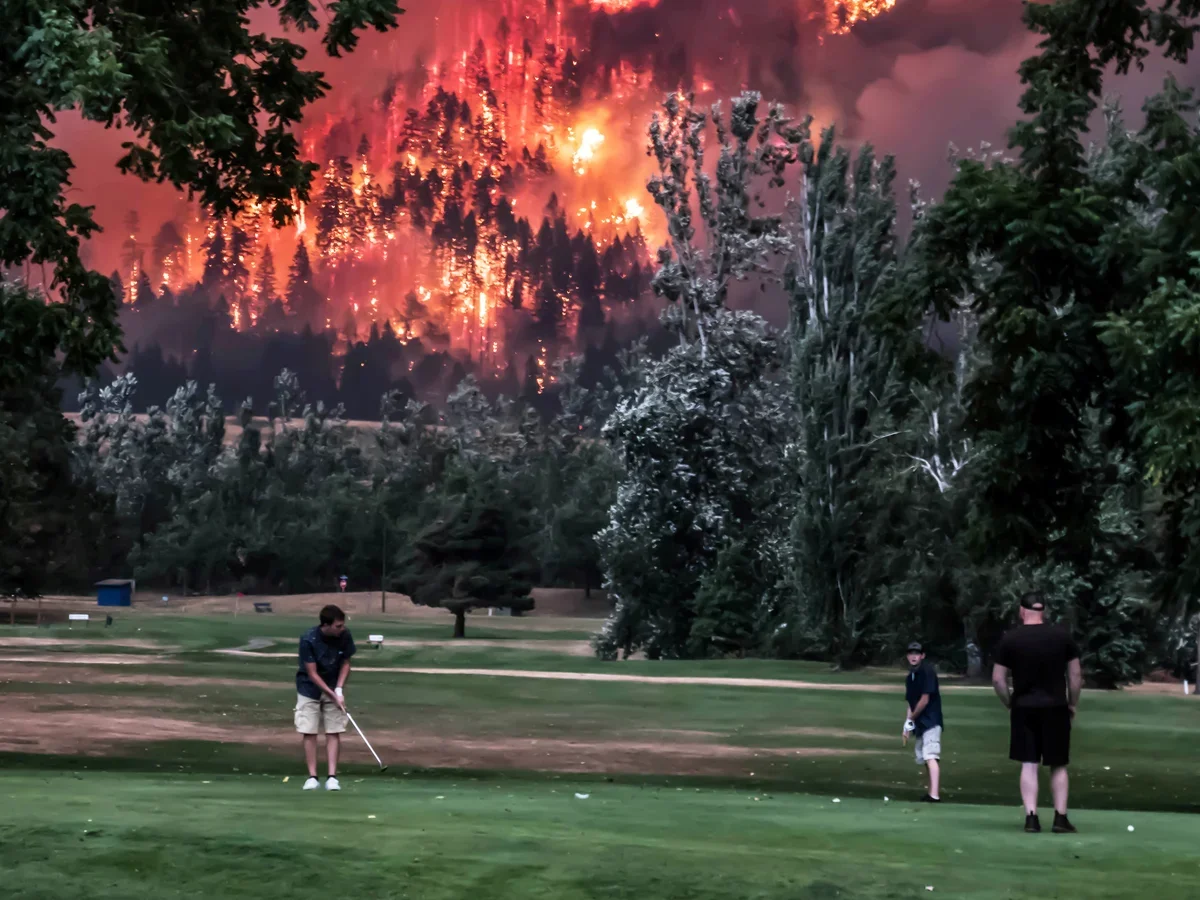
Photo from The Guardian
In 2018, Graham Zimmerman and I embarked on an ambitious investigative podcast about the 2017 Eagle Creek fire outside Portland, Oregon, sponsored by REI. It was the most journalistic, research-based project I had undertaken at the time (as well as my first podcast), and I learned a lot—about the science surrounding wildfires and the lens through which we view them.
In the case of Eagle Creek, the fire was human-triggered: a teenaged boy threw a firework into the most beloved forest in the Columbia River Gorge on the tail end of a particularly hot, dry summer. For the duration of the fire and the ensuing litigation (much of which occurred online by disgruntled, misinformed citizens), the blame fell on the teenager, whose life was ruined by the outsized punishments handed down to him. The judge intended to make a statement about what had happened: the boy’s punishment should be in accordance with the scale of the damage.
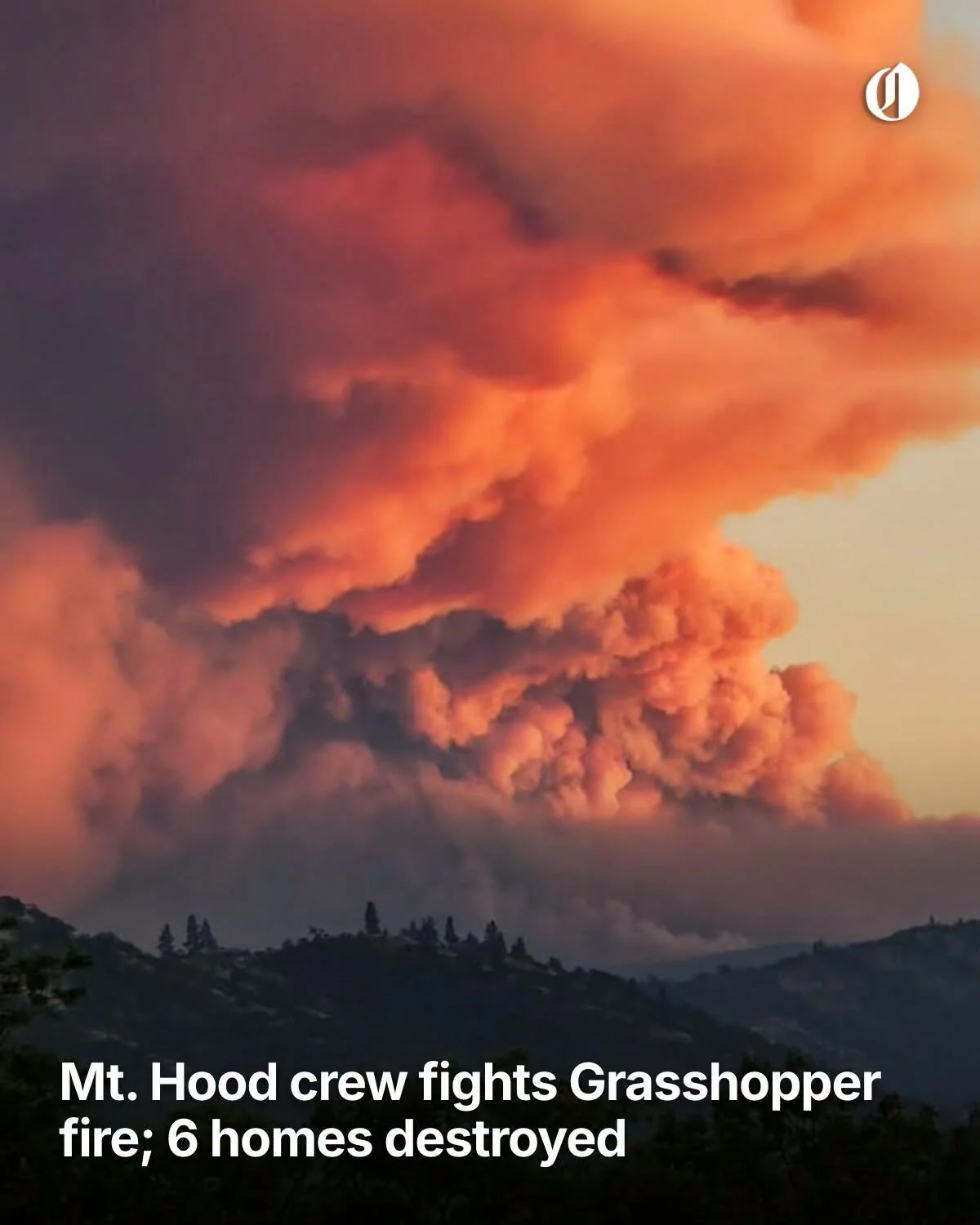
Photo from The Oregonian
However, as we learned doing our research and dozens of interviews, that fire was waiting to happen—in many ways, it NEEDED to happen—and this young man's life was inalterably changed so that everyone could sleep better at night, conflating the ignition of the fire with the conditions of the forest that actually led to its severity, ignoring the decades of forestry mismanagement and climate change that created the tinderbox. The kid certainly needed to be punished (two things can be true), but the scale of the punishment did not fit the scope of the crime. It was incongruous justice designed to scapegoat a child's mistake and overlook the real issues:
1. Forests will burn, and always have for almost four hundred million years. Fire is an inexorable, inevitable element on a healthy planet.
2. The scale and severity of forest fires, as well as our preparation and reaction to them, is within out control. We really lost our way over the last hundred years, and it will take time to right the ship. We should look to the wisdom of indigenous techniques for solutions.
3. Whether that kid started the Eagle Creek fire or not, that particular area historically burns cyclically in healthy, mosaic patterns, and it was going to ignite sooner or later. The reason that it was so bad had nothing to do with the kid or the firework or the immigrant community he was a part of.
4. Preparation is key. There’s only so much we can do once a fire is started—we can’t be lulled into passivity during the fire offseason (which may not even exist for much longer).
Society is so focused on suppression and hunting down arsons and ignition sources that they miss the opportunities to actually prepare communities for this natural phenomenon. This must change—suppression is not the answer.
There's a robust, well funded system at work to suppress the progress on this, powered by the timber industry, conservative politics, and good old fashioned ignorance, that wants us to think we can prevent fires—that there's a way around this phenomenon, instead of through it. That system is wrong, and we need to update our approach SOON to get any kind of long term benefit. I'll be living with fire for the rest of my lifetime, and it might even continue until it reshapes the ecosystems of our entire planet if we don’t change our ways. I'll let you figure out what that will do to the atmosphere and our breathable air and livable temperatures.
My biggest takeaway from the podcast was how wrongly we've been looking at this whole issue. Granted, it is emotionally charged: when our communities and loved ones are impacted by fire, it's about as devastating as it gets. But we have to get educated, trust the science, and vote in ways that lead to progress—not more of the same. A lot has improved since we made the show, and hopefully that will continue. But that requires resources and fluid thinking, which this administration is certainly not going to provide. Think about that when you go to the ballots. WE are the ones that need to make the changes.
It’s hard to watch and often feels helpless, but we are not helpless: we can all find little ways to support fire crews, prepare our homes and communities, get educated on forestry science and policy, and vote in ways that create better long term outcomes. Fire is not going anywhere—this is the new normal. But we can adapt and increase support for the people dedicating their lives to this complex issue.
Here are links to the show on Spotify if you'd like to check it out. Season two (not linked, but in the same feed on Spotify) follows the man-made burning of the Amazon Rainforest in Brazil, which explains a lot more about the horrible impacts of losing Earth's forests.